
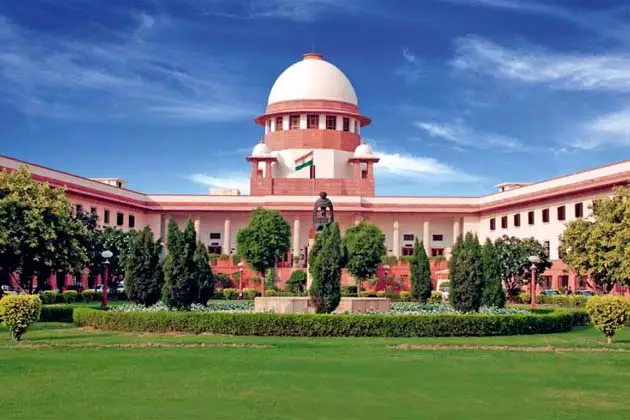
In a stern verdict emphasizing military discipline over personal religious sentiments, the Supreme Court of India on November 25, 2025, upheld the dismissal of Lieutenant Samuel Kamalesan, a Christian officer in the Indian Army. The bench, comprising Chief Justice Surya Kant and Justice Joymala Bagchi, dismissed his special leave petition (SLP), labeling his actions as the “grossest kind of indiscipline” and declaring him a “misfit” for the armed forces.
Background and Facts:
Lt Kamalesan, commissioned in the Army, was posted in Punjab where his regiment followed traditions involving visits to religious sites like gurdwaras and temples, or Sarva Dharma Sthals—multi-faith shrines symbolizing unity. As a Protestant Christian adhering to monotheistic beliefs, he refused to enter the sanctum sanctorum or perform rituals, such as carrying a thali during ceremonies. He argued these acts violated his faith under Article 25 of the Constitution, which protects religious freedom. Kamalesan admitted participating in festivals and entering temples but drew the line at active worship, citing the Bible’s first commandment. The Army viewed this as defiance of lawful commands, leading to his termination in 2021 for indiscipline.
The incident escalated when the commandant insisted on full participation, and Kamalesan sought pastoral advice. Even though other Christian officers complied without issue, and a pastor assured no conflict with essential Christian tenets, Kamalesan persisted in his personal interpretation. The Army emphasized that such practices foster secularism and unit cohesion, not endorsing any religion.
Lower Court Decisions:
Challenging his dismissal, Kamalesan approached the Delhi High Court. In its May 30, 2024, order, the High Court upheld the termination, ruling that “keeping religion above a lawful command from a superior was ‘clearly an act of indiscipline’.” It rejected claims of religious infringement, noting the Army’s secular ethos requires officers to lead by example.
Supreme Court Observations:
Dismissing the SLP, the apex court echoed the High Court’s stance. CJI Kant questioned, “Is this permissible?” and remarked, “You are the group leader… A gurdwara is one of the most secular places… Is he not insulting his own soldiers?” Justice Bagchi probed deeper: “Where in the Christian faith is entering the temple or a religious institution of another faith barred?” She clarified that breaches of Article 25 must affect “essential features” of religion, not personal sentiments, and noted the pastor’s view should override individual beliefs. The bench stressed, “Breach of Article 25 needs to be seen from the angle of essential features… We have to respect your essential features but you have to respect the collective faith of the majority of your command.”
Final Order and Implications:
The Supreme Court refused interference, solidifying that military discipline supersedes personal religious objections in regimental duties. This ruling reinforces the Army’s secular traditions while sparking debates on balancing faith and duty in a diverse force. For Kamalesan, it ends a four-year legal battle, highlighting the judiciary’s deference to armed forces’ internal matters.