


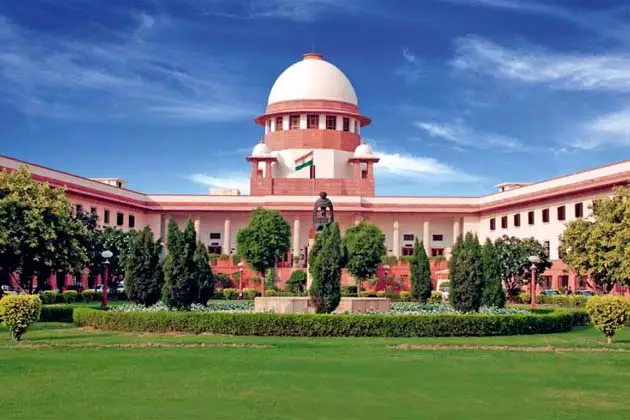
In a landmark decision advancing gender equality in the armed forces, the Supreme Court of India has dismissed the Special Leave Petition (SLP) filed by the Union of India against a Delhi High Court judgment directing the appointment of Ms. Archana to the Indian Air Force (IAF) flying branch through the National Defence Academy (NDA). The dismissal, reported on November 24, 2025, solidifies the High Court’s ruling that unfilled vacancies in NDA’s Air Force flying posts cannot be deemed male-only, paving the way for Archana’s immediate induction.
Case Background:
Ms. Archana, a qualified woman candidate, cleared the NDA examination but was denied appointment to the IAF flying branch, citing that out of the 92 vacancies advertised in 2023, only 02 vacancies were purportedly reserved for Female candidates and the rest 90 are reserved for Men. This stemmed from the government’s initial gender-skewed recruitment policy, despite the Supreme Court’s directive allowing women entry into NDA. Archana challenged this before the Delhi High Court in the case Ms Archana v. Union of India & Ors, arguing discrimination and violation of equality under Articles 14 and 15 of the Constitution. She contended that the advertisement did not explicitly reserve posts for males, and 20 vacancies remained unfilled due to lack of qualified male candidates.
Delhi High Court Judgment (August 30, 2025):
A Division Bench of the Delhi High Court, in its detailed order, rapped the government for keeping posts vacant despite eligible women applicants. The court held: “We are no longer in those times in which discrimination can be made between male and female candidates.” It clarified that the 90 vacancies not earmarked for females were open to all, rejecting the notion of implicit male reservation. Directing Archana’s appointment to one of the 20 unfilled slots, the bench extended her all service benefits, including seniority from the date her male counterparts joined. The ruling emphasized that such policies undermine women’s integration into defense services and criticized the government’s “archaic” approach.
Supreme Court Proceedings and Dismissal:
Aggrieved, the Centre filed an SLP before the Supreme Court, arguing procedural and policy grounds for male-specific allocations in flying branches due to training constraints. However, the apex court dismissed the petition, upholding the High Court’s order without detailed reasoning, as is common in SLP dismissals. This effectively mandates Archana’s enrollment, marking a win for gender-neutral recruitment in NDA.
Implications and Broader Impact:
The verdict reinforces the judiciary’s push for women’s empowerment in defense, building on prior rulings like the 2020 grant of permanent commission to women officers. It could lead to revisions in recruitment ads to eliminate gender biases, benefiting future aspirants. Women’s rights groups hailed it as a step toward dismantling patriarchal barriers in the military. For Archana, it means commencing training belatedly, with backdated benefits.
This case highlights ongoing struggles for equality in India’s armed forces, where women now form a small but growing cadre.