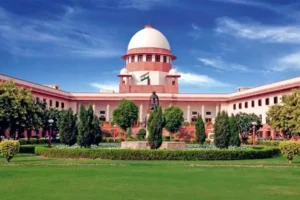

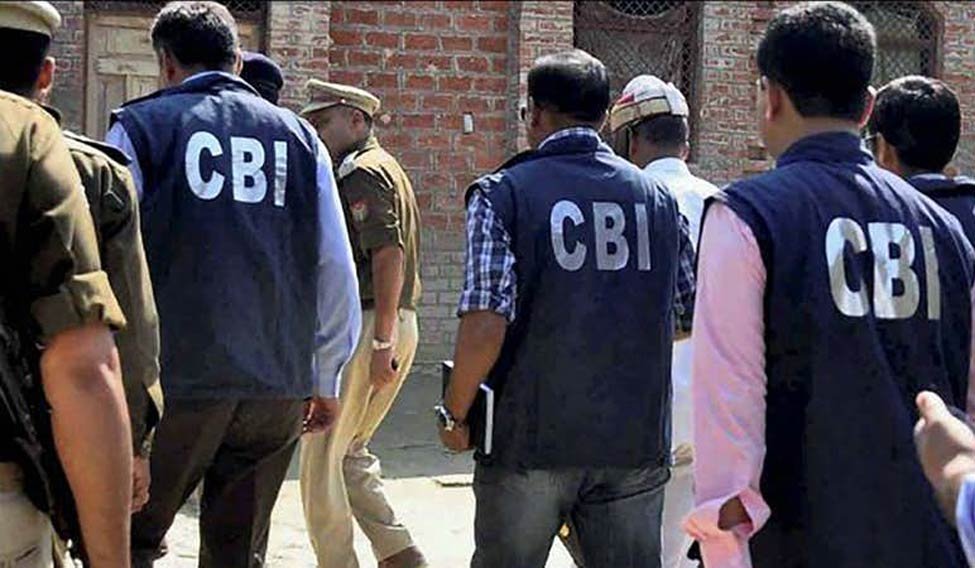
New Delhi, November 19, 2025 – In a rare and blistering oral indictment, a Supreme Court bench on November 17, 2025 described certain Central Bureau of Investigation (CBI) officers probing the alleged abetment to suicide of Himachal Pradesh Power Corporation Limited (HPPCL) Chief Engineer Vimal Negi as “absolutely bogus officers” who are “not fit to be in service”. The bench of Justices Ahsanuddin Amanullah and Prashant Kumar Mishra termed the agency’s interrogation techniques “childish”, “useless” and based entirely on “surmises”, while lamenting that even “normal district police would have done a better job”.
The sharp observations came during the hearing of Special Leave Petition (Criminal) No. 4889/2025 filed by Desh Raj, former Director (Electrical), HPPCL, seeking anticipatory bail. The Court ultimately granted bail to Desh Raj, finding no justification for custodial interrogation and rejecting the CBI’s claim of “non-cooperation” by the petitioner.
Background of the Case
Vimal Negi, a Chief Engineer with HPPCL, went missing from Shimla on March 10, 2025, after leaving office. His body was recovered eight days later on March 18 near Bilaspur. Negi’s family alleged systematic mental harassment by senior officials, including excessive work pressure, denial of leave even during illness, and public humiliation. An FIR under Section 306 IPC (abetment to suicide) was registered on the complaint of his wife, Kiran Negi.
Protests erupted, with the family placing the body outside HPPCL headquarters demanding action against top officials, including Managing Director Harikesh Meena, Director (Finance) Shivam Pratap Singh, and Desh Raj. On May 23, 2025, the Himachal Pradesh High Court transferred the probe from a state SIT to the CBI following a plea by the deceased’s wife.
CBI’s Investigation Under Scanner
Despite the transfer, the CBI faced severe criticism for the quality of its probe. During the November 17 hearing, Senior Advocate Siddhartha Dave, appearing for Desh Raj, informed the Court that his client had appeared before the agency pursuant to an earlier interim protection order and undergone three hours of interrogation. However, the CBI asked no substantive questions relating to abetment and relied instead on accusatory queries assuming guilt.
The bench perused the interrogation transcript and a sealed-cover status report submitted by Additional Solicitor General S.V. Raju for the CBI. Justice Amanullah remarked:
“This is childish! Who is the investigator who is putting questions? … If I put a question to the accused that ‘you did this’, what answer do you expect? He would deny, right? … You say this is non-cooperation? What type of officers do you have in CBI? Absolutely bogus officers. Not fit to be in service.”
The Court emphasised that denial of allegations or exercising the constitutional right to silence cannot be labelled non-cooperation. “All surmises, nothing concrete,” the bench observed, adding that the CBI’s documentation was a “useless type of document”. In a broader lament, Justice Amanullah stated: “All institutions demolished… Nothing independent remaining.”
Outcome and Implications
Finding that Desh Raj had cooperated and no prima facie case for custodial interrogation existed, the Supreme Court made its interim bail order absolute. The petitioner was directed to surrender within three weeks and furnish bail bonds as fixed by the trial court, with the express condition of continued cooperation in the probe.
While oral observations do not form part of the formal judgment, the Court’s remarks highlight growing judicial concern over declining investigative standards at the CBI. Legal experts view this as another instance – following similar strictures in recent years – underscoring the need for systemic reforms to restore public faith in India’s premier investigating agency.
The investigation into Vimal Negi’s death continues under CBI supervision.
(Word count: 512)