
By [Your Portal Name] | November 19, 2025
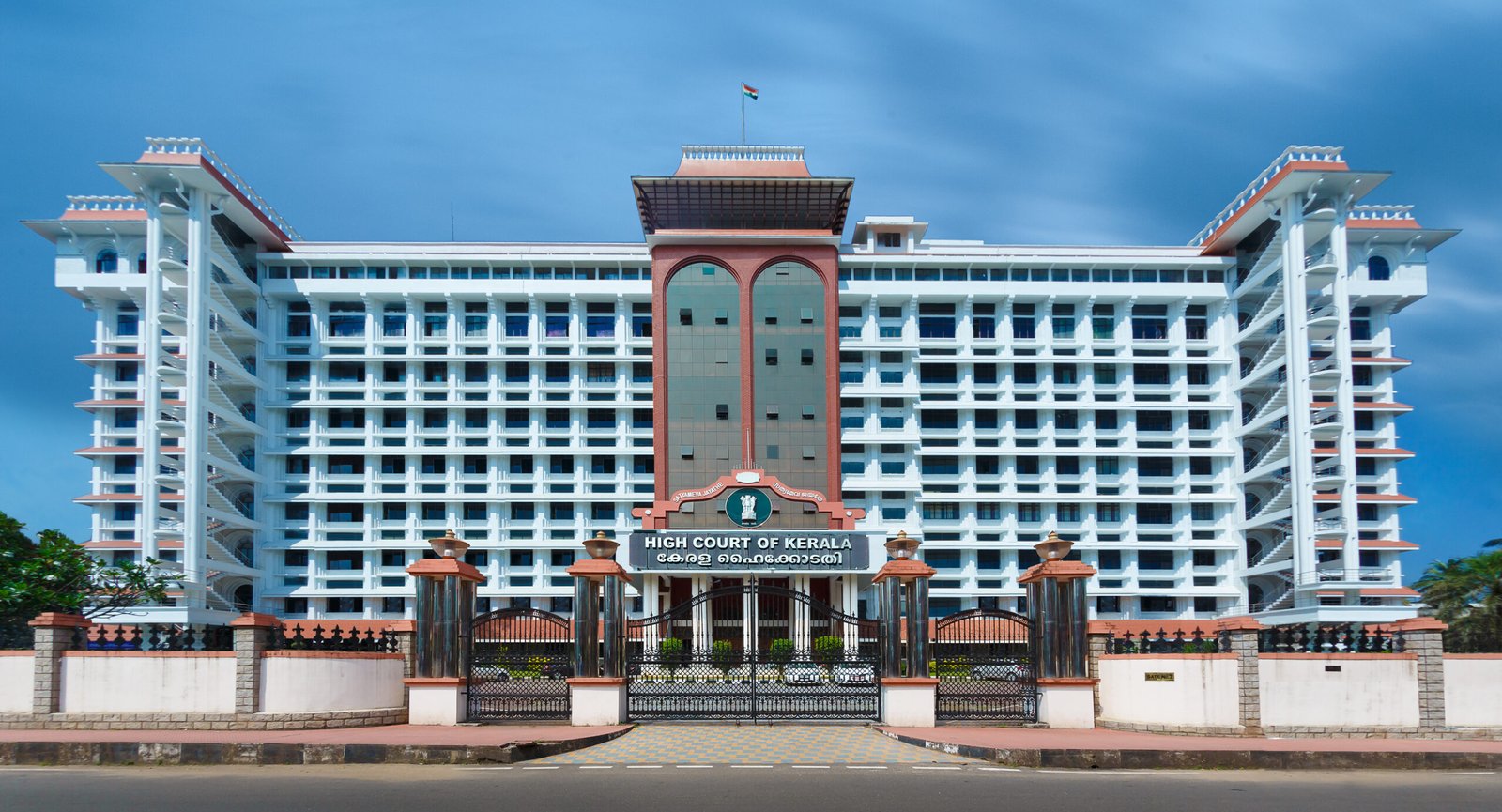
In a powerful judgment upholding dignity and voting rights, the Kerala High Court has dismissed a writ petition seeking to disqualify or segregate votes of residents at a mental health rehabilitation centre, terming the plea “an insult” to persons with disabilities and warning against stigmatising them without evidence.
Justice P.V. Kunhikrishnan, in W.P.(C) No. 42170 of 2025 (decided November 13, 2025), rejected the prayers of petitioners Jomon Jacob and Thomas Palliyil, residents of Ward No. 7 (Pulimalakunnu Bhagom), Pala Municipality, Kottayam. The duo challenged the inclusion of approximately 60 voters (Serial Nos. 349–358 and 360–407 in the final voters’ list) residing at ‘Mariya Sadhanam’, a rehabilitation centre for persons with intellectual disabilities (House No. 6/141).
The petitioners alleged these individuals were “mentally challenged” and “unable to cast votes according to their will.” They sought a mandamus directing authorities to either record their votes on a separate EVM, keep them in safe custody, or digitally record the voting process — essentially treating these votes as “challenged.”
The court found the plea utterly baseless and deeply problematic.
Opening with a poignant reminder — “Persons with mental illness or persons with intellectual disabilities are also citizens of this country, and they are our brothers and sisters” — Justice Kunhikrishnan invoked Section 4 of the Mental Healthcare Act, 2017, which presumes every person (including those with mental illness) has capacity to make decisions if they can understand information, appreciate consequences, and communicate choices.
The judge slammed the petitioners for producing no evidence that the voters suffered from mental illness, let alone being declared “of unsound mind” by a competent court — the sole disqualification under Section 74(1)(b) of the Kerala Municipality Act, 1994 for electoral roll registration.
Critically, neither the affected voters (even through a guardian) nor the rehabilitation centre authorities were impleaded as parties. “What an insult to those persons who are said to be in a rehabilitation centre!” the court observed, adding that merely residing in such a facility does not presume incapacity or unsoundness of mind.
Justice Kunhikrishnan warned that casually labelling someone “mentally ill” creates social stigma, discrimination, and undermines dignity. He emphasised that mental illness determination follows strict standards under Sections 2(s) and 3 of the 2017 Act, and past treatment alone cannot justify disenfranchisement.
While noting the writ could be dismissed in limine for non-joinder of parties and considered heavy costs for the “strange” prayer, the court dismissed it at the admission stage without costs.
In a moving conclusion, the judge quoted Malayalam poet Sugathakumari’s lines about opening “the prison of darkness” to let those in suffering witness life’s supreme festival, urging society to hold such persons “tightly in our hearts” rather than exclude them. “Mental illness is not a sin… We have to take care of those people,” he wrote, advising the petitioners to motivate the residents instead of denying their voting rights.
The judgment (2025:KER:87325) reinforces inclusive democracy and statutory protections under the Mental Healthcare Act, sending a strong message against disability-based discrimination in electoral processes.
(Word count: 508)