
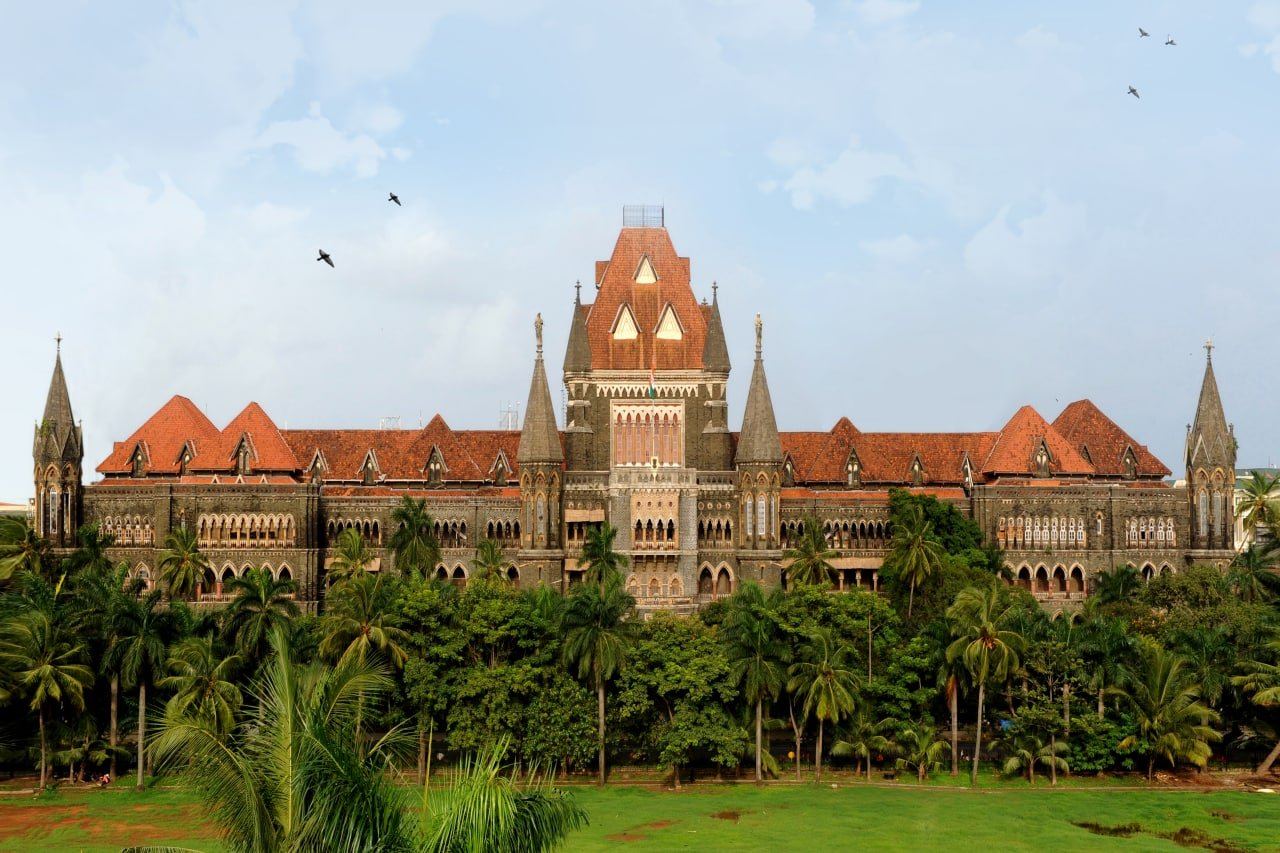
Mumbai, November 11, 2025 – In a ruling that underscores the need for concrete evidence in matrimonial cruelty cases, the Bombay High Court has acquitted a husband and his in-laws under Section 498A of the Indian Penal Code (IPC), holding that vague statements from a wife’s parents about her “unhappiness” and “weeping” do not suffice to prove cruelty or abetment to suicide. Justice Milind M. Sathaye, in Ramprakash Manohar v. State of Maharashtra (Criminal Appeal No. 885 of 1998), quashed a 27-year-old conviction by the Pune Sessions Court, emphasizing that emotional distress alone cannot trigger the stringent provisions of Section 498A without specific instances of harassment or dowry demands.
The case, originating from a tragic incident on November 17, 1997, involved Rekha Ramprakash, who allegedly drowned herself in a river near Bopodi, Pune. Her husband, Ramprakash Manohar (the appellant), and in-laws—his parents and brother—were charged under Sections 498A (cruelty) and 306 (abetment to suicide) IPC. The prosecution’s narrative hinged on Rekha’s purported harassment over dowry and household chores, culminating in her suicide. A First Information Report (FIR) was lodged at Khadak Police Station, Pune, based on a complaint by Rekha’s father, alleging that the accused demanded a sewing machine as dowry and subjected her to mental torture, driving her to despair.
At trial before the Additional Sessions Judge, Pune (Sessions Case No. 112/1998), the prosecution examined 15 witnesses, including Rekha’s parents and siblings. Key evidence included the parents’ testimonies: Rekha’s mother claimed her daughter “often wept” during visits, citing taunts from in-laws about her inability to bear a male child and demands for the sewing machine. The father corroborated this, stating Rekha appeared “unhappy and distressed” post-marriage in 1996. A panch witness allegedly supported the seizure of the sewing machine from the matrimonial home, implying it was dowry-related. Medical evidence confirmed drowning as the cause of death, with no external injuries noted.
The trial court, in its November 17, 1998, judgment, convicted Ramprakash under Sections 498A and 306, sentencing him to three years’ rigorous imprisonment and a Rs. 5,000 fine. The in-laws were acquitted due to lack of direct involvement, but the Sessions Judge inferred a pattern of cruelty from the parents’ accounts, holding it drove Rekha to suicide. Ramprakash’s defense—that Rekha slipped accidentally while using the riverbank for ablutions (common in the area lacking private toilets)—was dismissed as afterthought.
Aggrieved, Ramprakash appealed to the Bombay High Court in 1998, arguing insufficient evidence and misuse of Section 498A. The appeal lingered until revival in 2024 amid backlog clearance drives. During hearings, advocate Pawan Mali (instructed by Deepak More) assailed the prosecution’s case as hearsay-dependent, lacking independent corroboration. The state, represented by public prosecutor, urged upholding the conviction, citing the parents’ consistent testimonies.
Justice Sathaye, after meticulous scrutiny, allowed the appeal on November 4, 2025. He observed that the panch witness turned hostile, undermining the sewing machine seizure’s credibility. Even assuming it belonged to Rekha’s father, no proof linked it to illegal demands. “Mere statements by parents that their daughter was ‘unhappy’ and ‘often wept’ due to in-law harassment are insufficient to establish the gravamen of cruelty under Section 498A,” the judge held. He clarified that “cruelty” requires willful conduct causing grave injury or danger to life/health, or harassment for unlawful gains—neither proven here beyond reasonable doubt.
On abetment (Section 306), the court invoked Section 107 IPC, stressing instigation, conspiracy, or intentional aid—elements absent. No suicide note, contemporaneous complaints, or medical records of distress existed. The defense’s riverbank usage explanation aligned with local conditions, casting doubt on suicide. Referencing Arnesh Kumar v. State of Bihar (2014) 8 SCC 273 and Kahkashan Kausar v. State of Bihar (2022) 6 SCC 599, Justice Sathaye decried Section 498A’s misuse in matrimonial disputes, urging specificity over generalizations.
The operative order quashed the Sessions Court’s judgment, acquitting Ramprakash forthwith, with no costs. This ends a three-decade ordeal, highlighting judicial delays.
The verdict resonates amid rising 498A filings (over 1.3 lakh annually, per NCRB 2024), often criticized for weaponization in breakdowns. Experts like advocate Rebecca John praise it for recalibrating proof burdens, preventing “fishing expeditions.” Yet, women’s rights groups caution against diluting protections, advocating balanced reforms like mandatory mediation.
As India debates Section 498A’s overhaul under the Bharatiya Nyaya Sanhita, this ruling reinforces: Justice demands evidence, not emotion.
(Word count: 498)